
Visible. Valued. Included.
Our Vision for 2031 is a community where everyone including colleagues, learners and partners feels visible, valued, included and empowered to thrive as we actively advance equity, diversity and inclusion across all campuses, communities and prisons.
Our aims
Aim 1 – Decrease pay gaps for our colleagues.
Success will be achieved when headline pay gaps for ethnicity, gender, and disability are reduced year on year from the 2025 baseline, with transparent measurement frameworks in place and regularly reported. Underrepresented groups will be better represented in senior roles, supported by inclusive recruitment practices and targeted development programmes. Disability will be fully integrated into pay gap reporting, and the organisation will be recognised externally through accreditations such as the Race at Work Charter and Disability Confident Level 3.
Actions:
- Action 1 – Improve experiences and mitigate biases throughout the employee lifecycle.
- Action 2 – Development and progression of underrepresented groups, with a focus on minoritised ethnicities, gender, disability, and understanding the intersectional experiences.
- Action 3 – Agree measurements and monitor progress for decreasing pay gaps with a focus on minoritised ethnicities, gender and disability.
Aim 2 – Ensure equitable achievement and attainment outcomes for all learners, eliminating disparities across all groups.
Success will be evident when attainment and achievement rates for minoritised ethnicities, disabled learners, and gender groups are maintained at the 2025 baseline. An inclusive curriculum will be embedded across all areas of provision, with individual action plans in place and reviewed annually. Learner voice mechanisms will be strengthened, with learner networks established and blind spots addressed. ESOL and social mobility programmes will be expanded to meet the needs of diverse learners, and progression rates for underrepresented groups will increase year on year.
Actions:
- Action 4 – Continue to develop an inclusive curriculum across all areas of provision.
- Action 5 – Build and strengthen learner voice mechanisms.
- Action 6 – Agree on measurements and monitor emerging gaps in attainment and achievement rates with a focus on minoritised ethnicities, gender and disability.
Aim 3 – Improve inclusive spaces.
Success will be realised when physical and digital environments across campuses, communities, and prison education settings are demonstrably more accessible and inclusive. Accessibility audits will be completed and acted upon, with improvements made to legacy estates and off-site locations. A digital accessibility group will be operational, with a maturity model guiding improvements to virtual environments. Disability confidence will be strengthened through workplace adjustments, awareness initiatives, and the achievement of Disability Confident Level 3 accreditation.
Actions:
- Action 7 – Improve physical accessibility.
- Action 8 – Strengthen the focus on digital accessibility and inclusiveness.
- Action 9 – Strengthen our disability confidence and competence in delivering services to our colleagues, learners and the community.
Aim 4 – Strengthen a culture of belonging.
Success will be achieved when all learners and colleagues feel visible, valued, and included, as evidenced by positively increasing engagement in inclusive culture surveys, with increased engagement rates. Equitable access to development and engagement opportunities will be ensured for all working patterns and locations, including prison-based and part-time colleagues. Leadership standards and EDI objectives will be embedded across management roles, with tailored development programmes in place. Inclusive behaviours will be actively promoted, complaints processes will be transparent, and employee networks will be expanded and empowered to drive cultural change.
Actions:
- Action 10 – Equitable working for all.
- Action 11 – Focus on leadership and management.
- Action 12 – Embed inclusive behaviours.
For previous reports, please contact Arv Kaushal by emailing arvind.kaushal@mkcollege.ac.uk
Latest Stories & Events
Latest Stories & Events
-
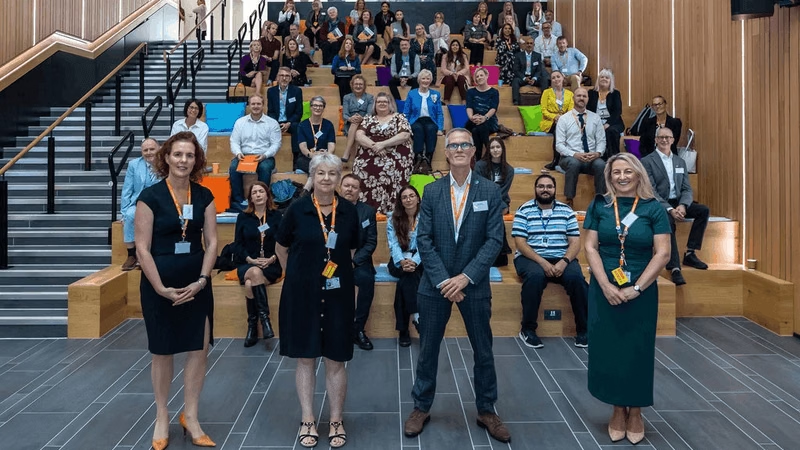
Shaping Fairer Futures for All – Milton Keynes College Group launches new strategic plan
Read More -
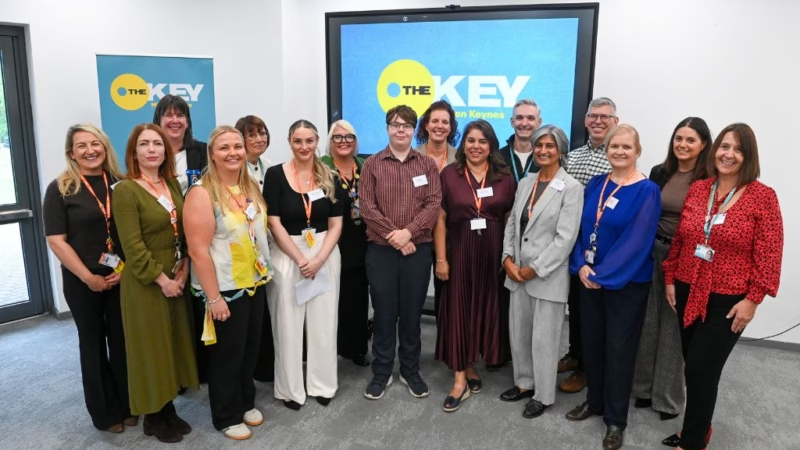
New Centre to Unlock Potential for Young People Launches at Milton Keynes College Group
Read More -
New centre to unlock potential for young people at Milton Keynes College Group
Read More -
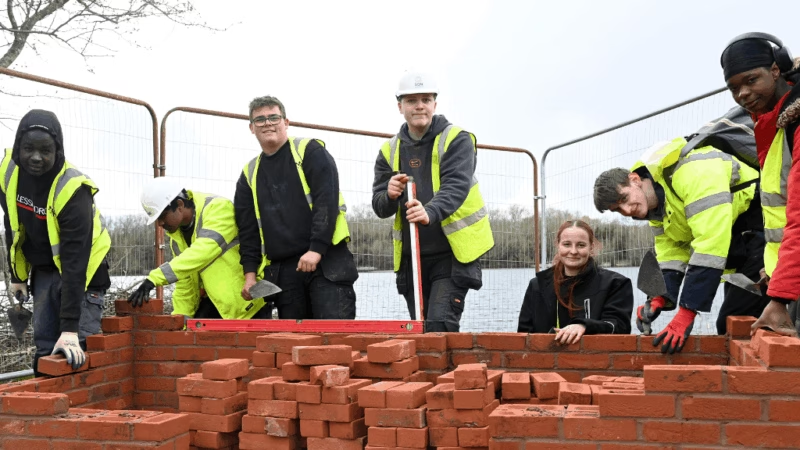
Staff and students help the environment at annual Community Day
Read More -
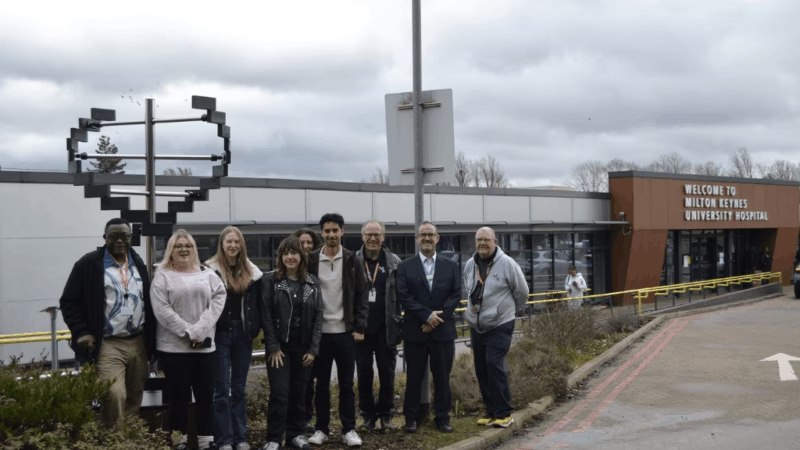
MK College students’ community project celebrates local hospital
Read More -
MK College Group announced as Community Champion Sponsor for Milton Keynes’ first Charity Awards
Read More -
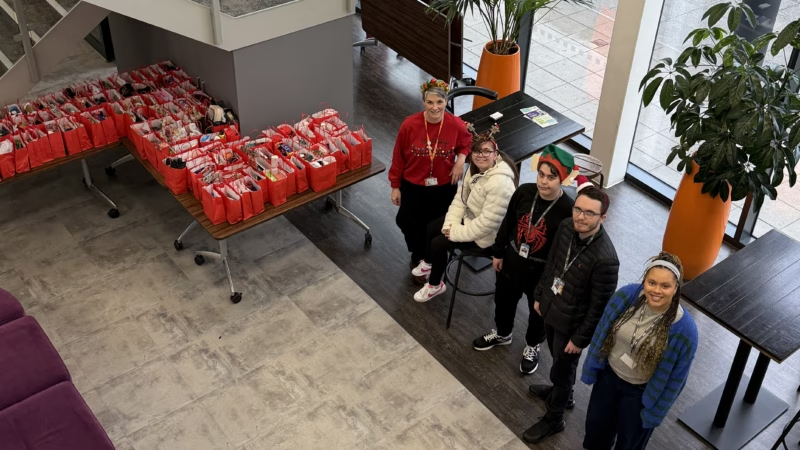
Milton Keynes College Group in festive spirit
Read More -
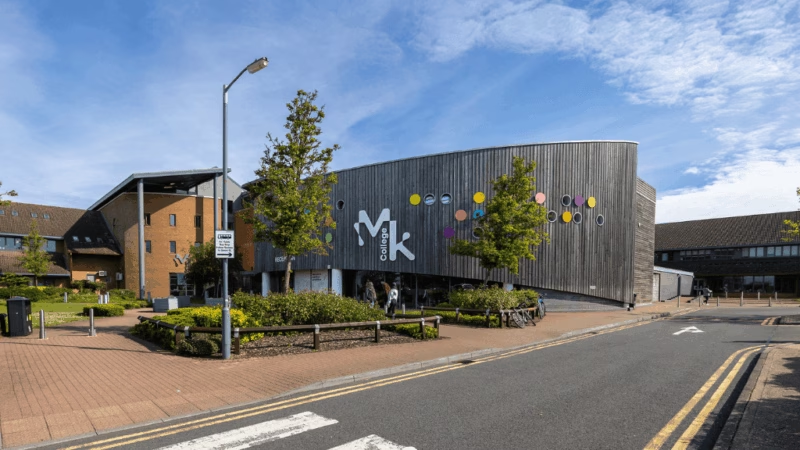
Mark Homans blog: ‘Education is the most powerful investment we can make in people and communities’
Read More -
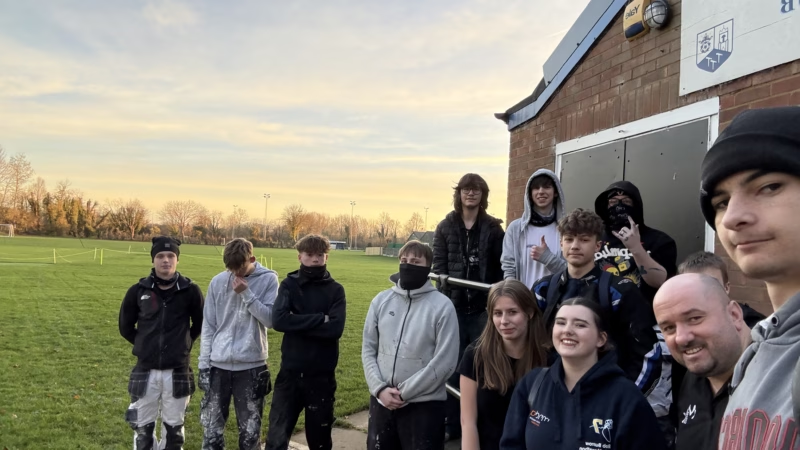
Painting & Decorating students put their skills to good use to support local football club
Read More -
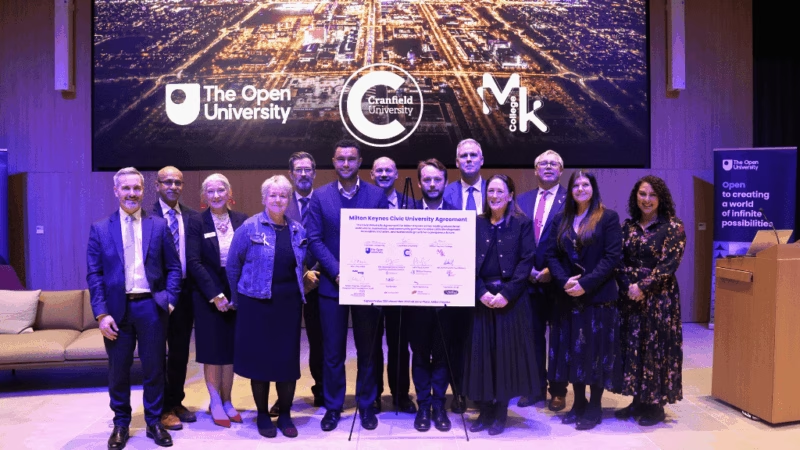
New Civic University Agreement to drive skills and innovation in Milton Keynes
Read More